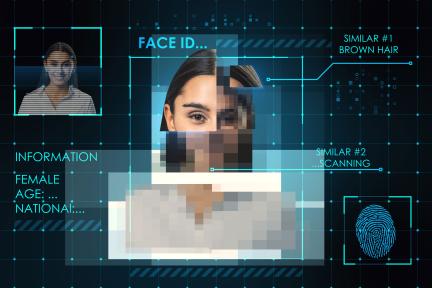
This year, AI-powered deepfakes have become a leading threat in financial scams and fraud.
Advancements in technology and artificial intelligence (AI) have given rise to deepfakes, which are video or audio content that have been altered to make a person look or sound like someone else. While some deepfakes are intended to be funny or amusing, others can be misleading or fraudulent. By staying vigilant for red flags and informed about common tricks, you can help to protect your accounts and personal information.
How it works:
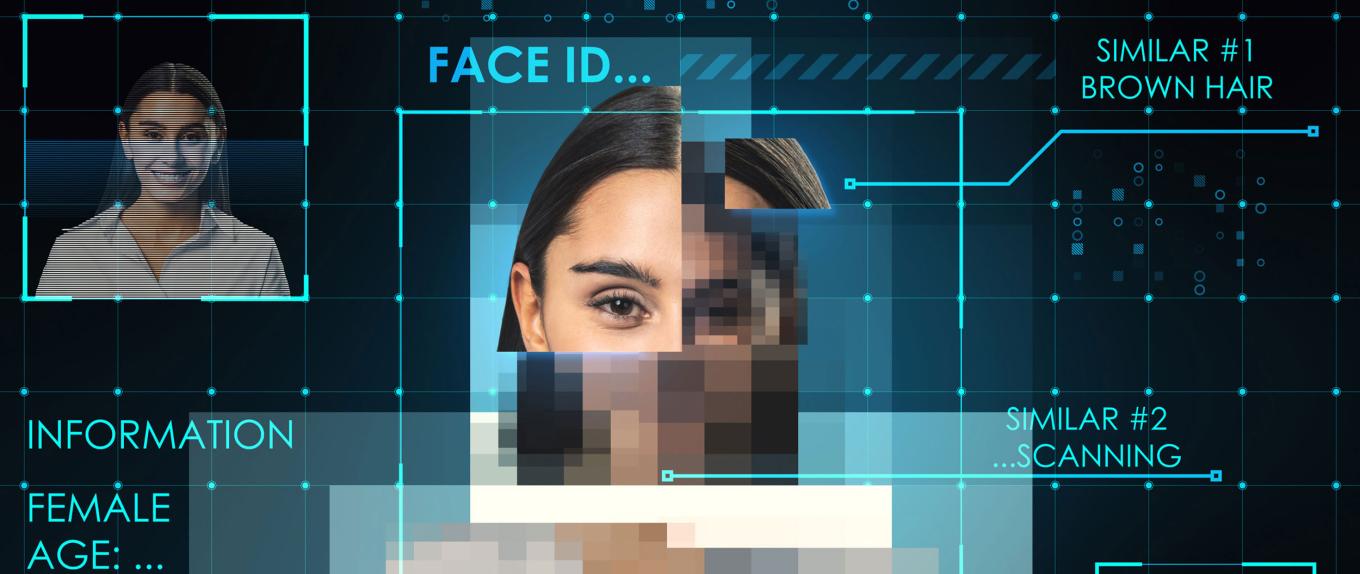
In the way a child might use AI to transform their face into a giraffe or alien during a silly video chat, scammers might program a more advanced face-swap to pursue access to accounts, information, or databases. Scammers could alter their facial features to hide their own identity or pick a specific person to impersonate, such as a celebrity influencer or a financial company’s CEO. Voices can also be altered in real-time during a phone call or video chat.
When used convincingly and with ill intent, deepfake technology is a vehicle for fraud, whether that’s during a single conversation or after building your trust over time. Use the following tips to stay protected.
How to stay protected:
- Enable multi-factor authentication (MFA).
As a proactive step you can take today with most accounts and devices, turn on multi-factor (MFA) or two-factor authentication (2FA). With your Visions account, we use a Secure Access Code (SAC) and device recognition to authenticate your digital banking login requests and other interactions. Please note, we will never ask for your SAC over the phone or via text message. Never give this information to anyone.
- Avoid urgency and verify the source.
Scammers often encourage urgent reactions by causing fear or panic. Instead, take a breath and think critically about the situation, then verify the claim with a source you trust, like Visions. Simply call us at 800.242.2120 or visit your local branch. We’ll gladly give you time to verify our communications.
- Watch for red flags.
When you unexpectedly receive emails, texts, or calls, or any communication from an unfamiliar number or email address, take your time to verify the source. Even if it looks legitimate, don’t click links or share your information. You can contact the organization directly using a verified phone number or website. Other red flags could include glitches in the video, unnatural facial movements, unusual link URLs, inconsistent branding, generic greetings, misspelled names – and your own instincts! If something feels “off,” it probably is.
In addition to following the tips above, remember to stay informed of recent scams and observe all cybersecurity best practices. These include utilizing strong and unique passwords, updating your devices, installing anti-virus and anti-phishing software, and using the security features that are included on your devices. For more education on cybersecurity and how to protect your accounts, visit visionsfcu.org/security.
Additional Resources: Secure Payments and Transaction Alerts
Take advantage of our security features and fraud monitoring for added peace of mind. In many cases, you could reduce risk, loss, or liability with:
- Card Controls in digital banking
- Security alerts and transaction alerts
- Contactless or mobile payments
- Credit card perks such as Visa® Zero Liability Protection
Learn more about card features and security.
This article first appeared in MoneyMatters Magazine. Click here to continue reading our current publication.